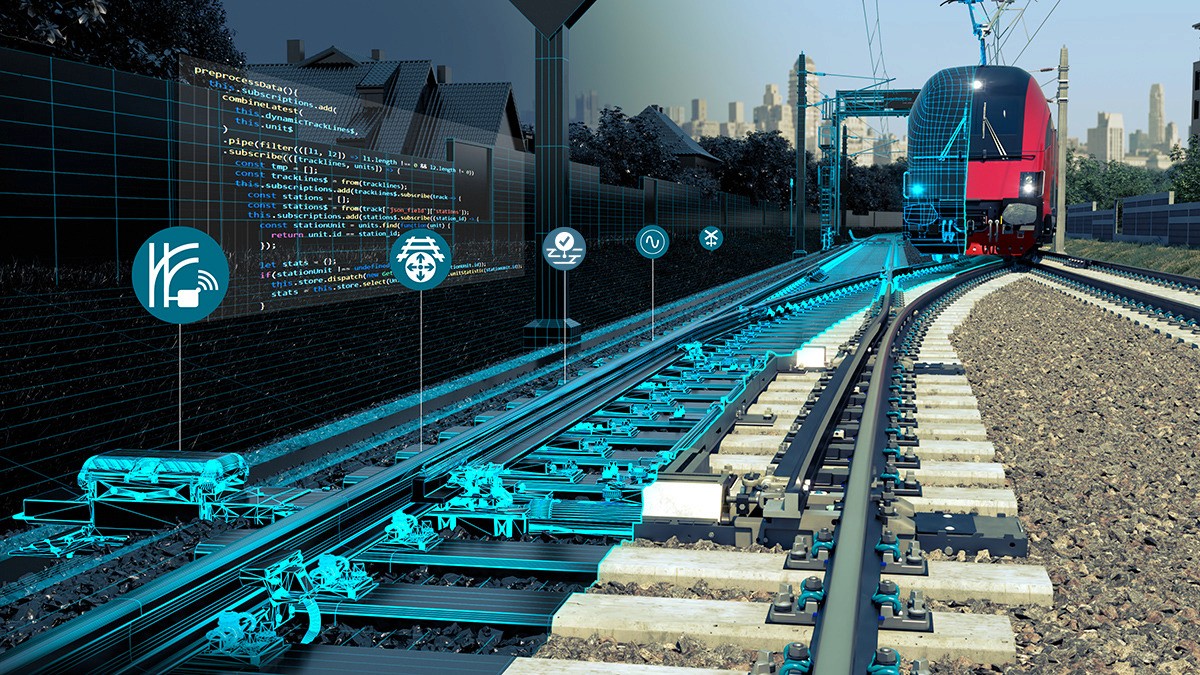
Operational intelligence for transportation systems is designed to support corridor visibility, cross-system analysis, and coordinated decision support across logistics and infrastructure networks.
Operational Intelligence
Transportation
Operational Context
Transportation systems span interconnected environments:
• Rail networks
• Border operations
• Shipment logistics
• Corridor infrastructure
These systems rely on coordination across:
• Agencies
• Infrastructure operators
• Logistics providers
Data is often fragmented across systems, limiting real-time coordination.
The Operational Challenge
• Limited visibility across transportation corridors
• Delays in shipment and border processing
• Fragmented data across rail, logistics, and customs systems
• Inefficient coordination between stakeholders
Operational Intelligence Approach
The Ensurio framework introduces:
Ingest → Normalize → Detect → Act
• Ingest: Can aggregate approved data from transportation systems (shipment data, rail data, border activity, infrastructure metrics)
• Normalize: Structures inputs across systems into a unified operational model
• Detect: Flags potential bottlenecks, delays, and inefficiencies for review
• Act: Supports decision-support and operational-coordination workflows.
Integration Approach (Transportation Systems)
• Designed to connect through approved interfaces across rail, shipment, and border data systems
• Can support real-time and historical data ingestion where source systems permit,
• Can support corridor-level visibility,
• Designed to integrate without requiring wholesale replacement of existing infrastructure.
Pilot / Demonstration Observations
In controlled environments, the approach has been used to explore:
• Improved visibility into corridor flow,
• Earlier identification of bottlenecks and delays,
• Stronger cross-system coordination,
• A more transparent shared operational picture across stakeholders.
Corridor Intelligence Shift
Traditional | Operational Intelligence |
|---|---|
Fragmented logistics | Unified corridor visibility |
Reactive issue resolution | Predictive flow analysis |
Delayed reporting | Near-real-time insights |
Manual coordination | Automated anomaly flagging |
System Scope
This model applies across:
• Rail transportation networks
• Border and customs operations
• Shipment and logistics systems
• National and regional infrastructure corridors
Next Step
Deploy a pilot within a defined transportation corridor to validate performance and coordination improvements.
Validate Fit Before Broader Deployment.
Start with one bounded workflow to evaluate operational fit, approved data inputs, decision controls, human-review requirements, and environment-specific needs before broader implementation.
ENSURIO uses controlled pilots to validate assumptions, operational requirements, and governance conditions before scale.